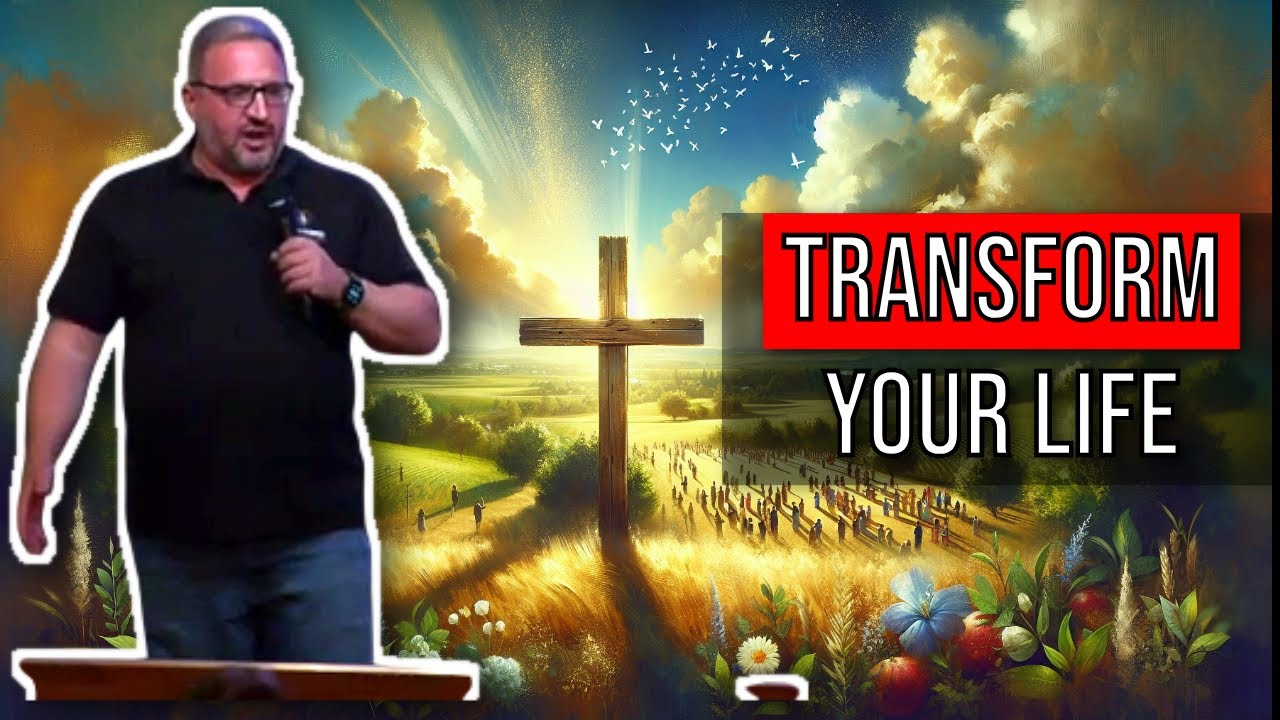
I’m Pastor Bill Brannan, senior pastor at Life Springs Church. In this message I want to unpack our mission and vision: restoring human flourishing through the gospel of Jesus Christ. That gospel is not only the message of forgiveness—it is the gospel of the King, the reign of Jesus Christ that changes individuals, families, communities and nations. Below I trace biblical prophecy, historical examples, and practical steps for how a church that learns Jesus’ ways and walks in his paths can become a radiant, life-giving presence in the world.
Outline
- The gospel as the reign of the King
- Messianic promises that shape our mission
- Light that attracts: Isaiah 60 and “Arise and shine”
- Learning his ways, empowered by the Holy Spirit
- Prayer, answered prayer, and the kingdom’s witness
- Practical next steps for a community that restores the world
No king but King Jesus: what that means
When we say “Jesus Christ,” we say Jesus the Messiah—Jesus the King. That shifts the whole view of the gospel. It is not merely “how to get to heaven when you die”; it is the proclamation that Jesus rules and reigns now. The early church proclaimed, “Jesus Christ is Lord.” If Jesus is Lord only of the church, and some other power governs society, then we’re not proclaiming him as Lord of all.
Two slogans from American history capture this well: “No king but King Jesus” and “Rebellion to tyrants is obedience to God.” Christ’s kingdom is governed by love, justice, truth, peace and freedom—not a fear-driven, command-and-control religion that robs people of humanity.
“No king but King Jesus.”
Has the messianic age begun?
The question matters because when the messianic age is assumed to be “not yet,” we relegate God’s transforming reign to the distant future. But scripture and the life of the church point to a present beginning. Pentecost carries coronation imagery: Jesus ascended, sat at the right hand, and was declared Son. The new covenant writes God’s law on hearts and empowers us with the Holy Spirit to live the kingdom now.
Arise and shine: light that draws people in
Isaiah 60:1–3 tells us to “Arise and shine, for your light has come; and the glory of the LORD has risen upon you. Nations shall come to your light…” The first mark of a people living in the messianic age is light—righteousness, peace and joy in the Holy Spirit—that attracts the lost. When Christians glow with the reality of God, others notice.
I told the story of John Wesley and the Moravians because it shows the difference between zeal without power and zeal filled with the Holy Spirit. Wesley had discipline and devotion—he was very religious—but he lacked the inner witness and power. Seeing Moravians at peace in a violent storm made him ask, “What do you have?” That encounter—and the “strangely warmed” heart—changed history.
“My heart was strangely warmed.”
The blind leading the blind: the danger of darkness
Jesus warned about blind leaders of the blind who both fall into a ditch. When the light of the church is hidden under a bushel—when we rely on rules, fear, or external appearances—the world remains dark and people fall. The Holy Spirit brings inner witness and power so we can be a guiding light instead of stumbling ourselves.
The mountain of the Lord: discipleship that changes societies
Isaiah 2:3–4 pictures nations saying, “Come, let us go up to the mountain of the Lord… He will teach us his ways, and we shall walk in his paths.” This is not merely conversion theology; it is a vision of people seeing the fruit of God’s ways—peace, prosperity, dignity—and asking, “How can we have that?”
Athanasius argued from observable transformation: where the gospel lived, people who once raised swords embraced prayer and reconciliation. History likewise gives us examples—Argentina wanting European settlers “with their religion” because they saw the flourishing that followed Christian habits and institutions.
“He will teach us his ways, and we shall walk in his paths.”
The world will want what you have
Zechariah 8:20–23 gives a striking picture: people from many cities will say to one another, “Let us go and pray before the Lord… Ten men from every language will take hold of the sleeve of a Jew, saying, ‘Let us go with you, for we have heard that God is with you.'” The desired outcome of discipleship is not coercion but attractiveness: a community so full of God’s life that outsiders say, “I want what you have.”
Learning his ways: the role of the Word and the Spirit
Discipleship is learning God’s ways and walking in his paths. The old covenant gave a law that told people what to do but did not power them to do it. The new covenant promises the law written on hearts and the Spirit to enable obedience. We teach his ways through Scripture and community, and the Holy Spirit empowers the living out of those ways.
“Not by power, nor by might, but by my Spirit.”
When discipleship becomes spiritual formation—renewing the mind, being transformed from glory to glory—character changes. Pride, wrath, envy and division give way to grace, mercy, forgiveness, and love that takes no account of wrongs but rejoices in what is right.
Answered prayer: a central witness
One of the marks that draws outsiders is answered prayer. Zechariah’s vision assumes people will come because God answers prayer among his people. Jesus taught us to ask, and Paul instructed the church to pray for all, especially those in authority. The reality of God who responds confirms his presence and invites the world.
I love the story of Ananias (the disciple who was sent to Saul). God used prayer and visions to prompt ordinary people into brave obedience; God persuades and invites rather than coercing blind obedience. That is the Father’s heart—patient, relational, persuasive.
The Father’s heart: persuasion not domination
Biblical fatherhood is not authoritarian control. Consider Abraham bargaining with God over Sodom—an honest conversation that reveals a relational God. The parable of the prodigal shows a father who invites and persuades, not a tyrant demanding blind compliance. That spirit should shape our churches.
Danger of fear-driven responses
Fear-based activism and manipulative tactics produce anger, division and hardness of heart. Even when motivated by a righteous concern for justice, methods that rely on fear or domination undercut the witness of Jesus’ kingdom. We must patiently persuade, teach, and model God’s ways so people are transformed rather than coerced.
The gospel’s power for human flourishing
From the individual to the nation, the gospel can restore dignity, work toward justice, heal families, and stop cycles of violence. The early church and many revival moments in history show this reality. We must not relegate God’s redeeming work to “spiritual” matters only. Christ’s reign touches every sphere of life.
Creating a quality of life that attracts people to Jesus
Our task as a community is to cultivate a Christlike quality of life: loving relationships, prayerful dependence, Spirit-empowered service, and visible fruit. When we do that, evangelism is often a natural response—people will be drawn to what they see, ask questions, and say, “How can I have what you have?”
Practical ways you can help build that community
- Be present in the household of faith: build relationships, encourage and pray for one another.
- Ask God for the Holy Spirit: seek power to live the life Scripture calls us to, not just information about it.
- Serve with humility: activate gifts and anointing so every member ministers.
- Disciple others: teach God’s ways and help people walk in his paths through patient instruction.
- Pray persistently and expect answers—answered prayer is a witness to God’s presence.
Conclusion: Jesus reigns—experience his kingdom today
Jesus is Messiah and King. The good news is that his reign has begun and his Spirit is at work. When a community learns his ways and walks in his paths, empowered by the Holy Spirit and marked by prayer and answered prayer, it shines in such a way that the nations will say, “We want what you have.”
My invitation is simple: let the Spirit teach you. Let the Father’s heart soften you. Serve faithfully in your gifts. Build a community that reflects heaven on earth, and watch God draw people to himself. No king but King Jesus—may his reign come more fully through us as we live and love like him.
Amen.