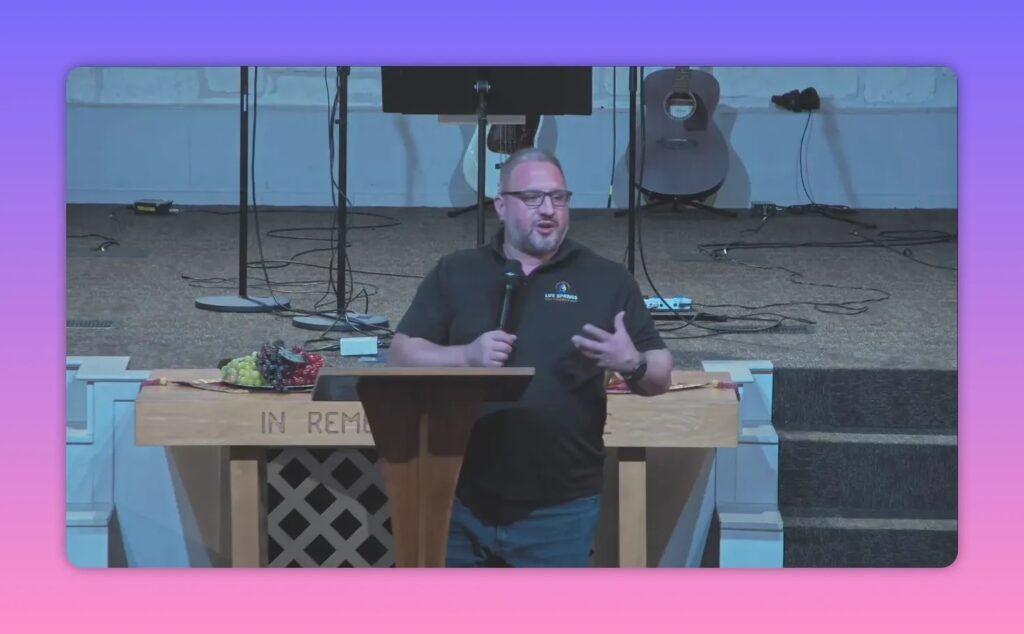
20260118 Pr Bill Brannan — Restoring America’s Godly Heritage (Part 8)

In a time filled with fear and division, the call to restore America’s Godly heritage is more urgent than ever. This journey begins with understanding the true essence of American exceptionalism, rooted in biblical values and covenantal commitments. As we reflect on our own hearts and embrace the transformative power of love and forgiveness, we can heal our communities and nations. Discover how acts of mercy and compassion can redefine neighborliness and awaken hope, leading us toward a future where liberty and justice flourish for all. Join us in exploring this hopeful trajectory for America.

Watch the Video!

YouTube player

Why hope still matters

There is a great deal of fear and discouragement in our culture right now. People see inhumanity, division, and behaviors that tear at the fabric of community. Yet the answer is not to retreat into blame. My conviction is that America began with something rare: a biblical social architecture rooted in covenantal commitments and a vision for liberty and justice. That inheritance is recoverable, and it points to a way forward that heals rather than destroys.

What “American exceptionalism” really meant

Words can lose their original meaning. The phrase American exceptionalism has become polarizing, often reduced to notions of power and wealth. Historically, however, it described a people shaped by biblical values — a nation built as a covenantal experiment, intended to model freedom, justice, and the dignity of every human being.

Key idea: The greatness of a nation does not come from money or military might but from the moral and social structures that cultivate trust, responsibility, and human flourishing.

Covenant as social glue

A covenant creates relationship, trust, and loyalty. The earliest settlers understood this intuitively. Covenants were made on ships, in communities, and in church bodies because people recognized that stable civil society depends on reliable commitments. When covenantal life weakens, society fragments and seeks solutions in politics or commerce rather than in renewed relationships.
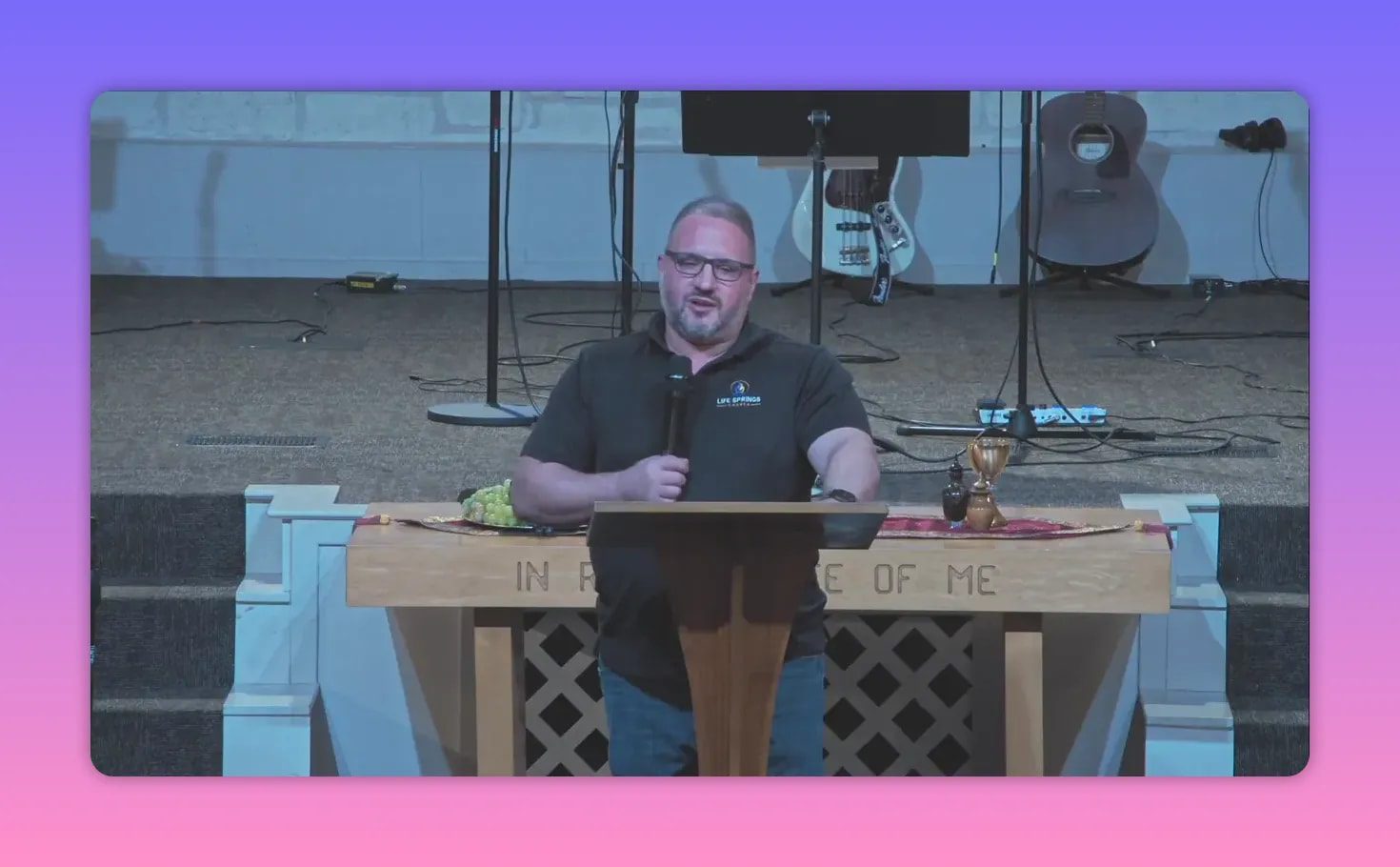
Wide shot of pastor at pulpit with grapes and chalice on the communion table

The marriage metaphor

Marriage is the simplest example of covenant at work. It binds people to stay together in good and bad, sickness and health. Civil society functions the same way when people treat one another as part of a shared “we.”

Start with ourselves: salt and light

The first task is internal. Scripture teaches we should examine our own hearts before pointing fingers. If the church is to be salt and light, it must be transformed from the inside out. When disciples truly reflect Christ, entire cultures are changed — history confirms this again and again.

Practical posture: rather than demanding others change, ask: What is God calling us to become? How will our lives model mercy, justice, and humility?

Love in action: the Good Samaritan reframed

Jesus re-told a familiar rabbinic story and flipped expectations. In the parable a priest and a Levite pass by; a Samaritan, despised in Jewish society, becomes the hero because he shows mercy. The lesson is blunt: neighborliness is defined by compassion, not by ethnic, social, or religious boundaries.
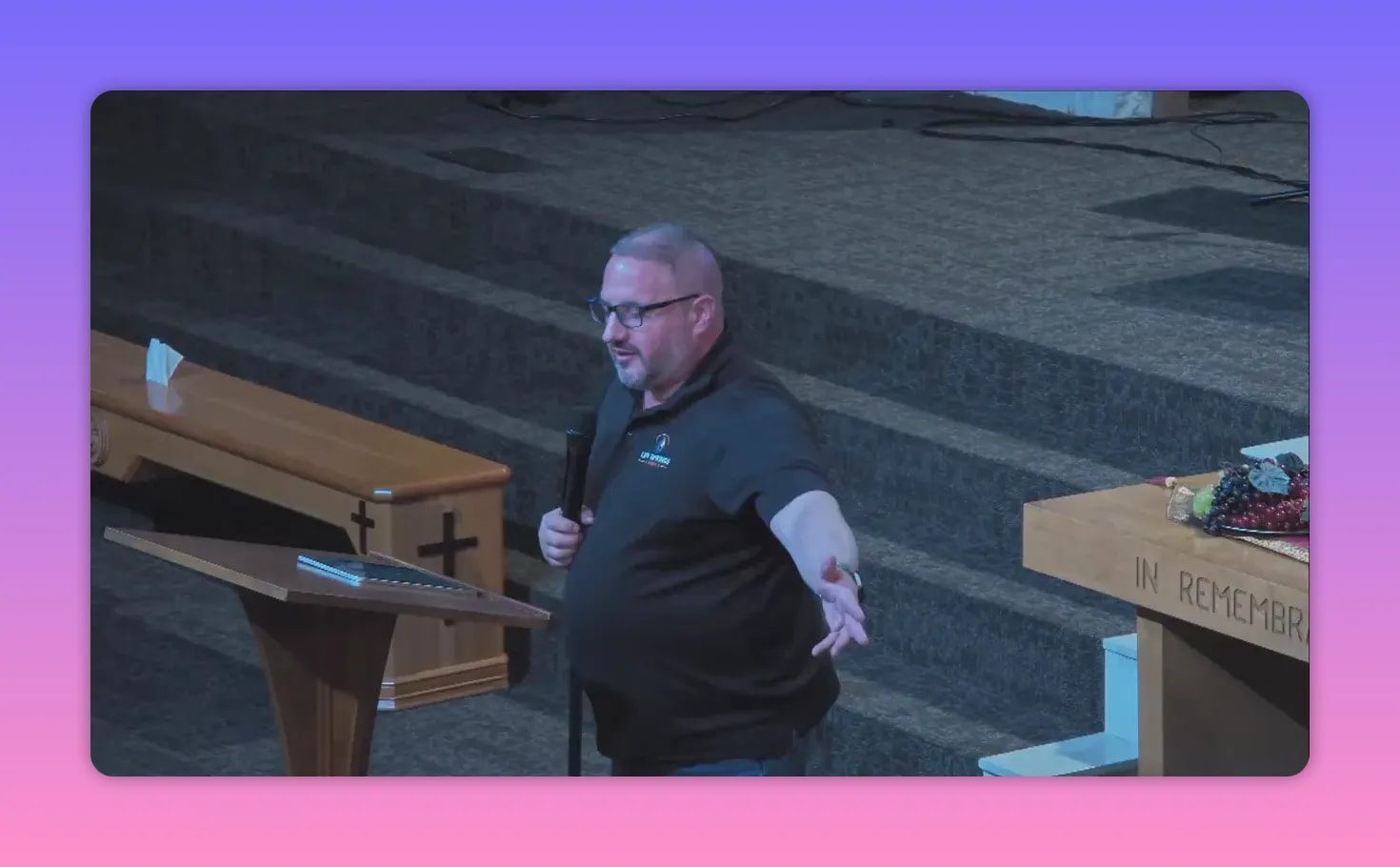
speaker at pulpit extending arm in expressive gesture, wide view showing lectern and altar

That teaching has contemporary force. Sometimes the person who best reflects the Father’s heart will be someone we least expect. The call is to love and serve — even when it is costly, surprising, or politically uncomfortable.

Real stories that resist easy labels

Around the world, people of different backgrounds have acted sacrificially to protect others. I’ve heard stories where a Muslim hid Jews from attackers, or a Muslim paramedic ignored orders to save a Jewish woman and later was publicly thanked because his act also restored his own hope. These are not exceptions that undermine faith; they are examples of humanity responding to conscience and compassion when it is awakened.
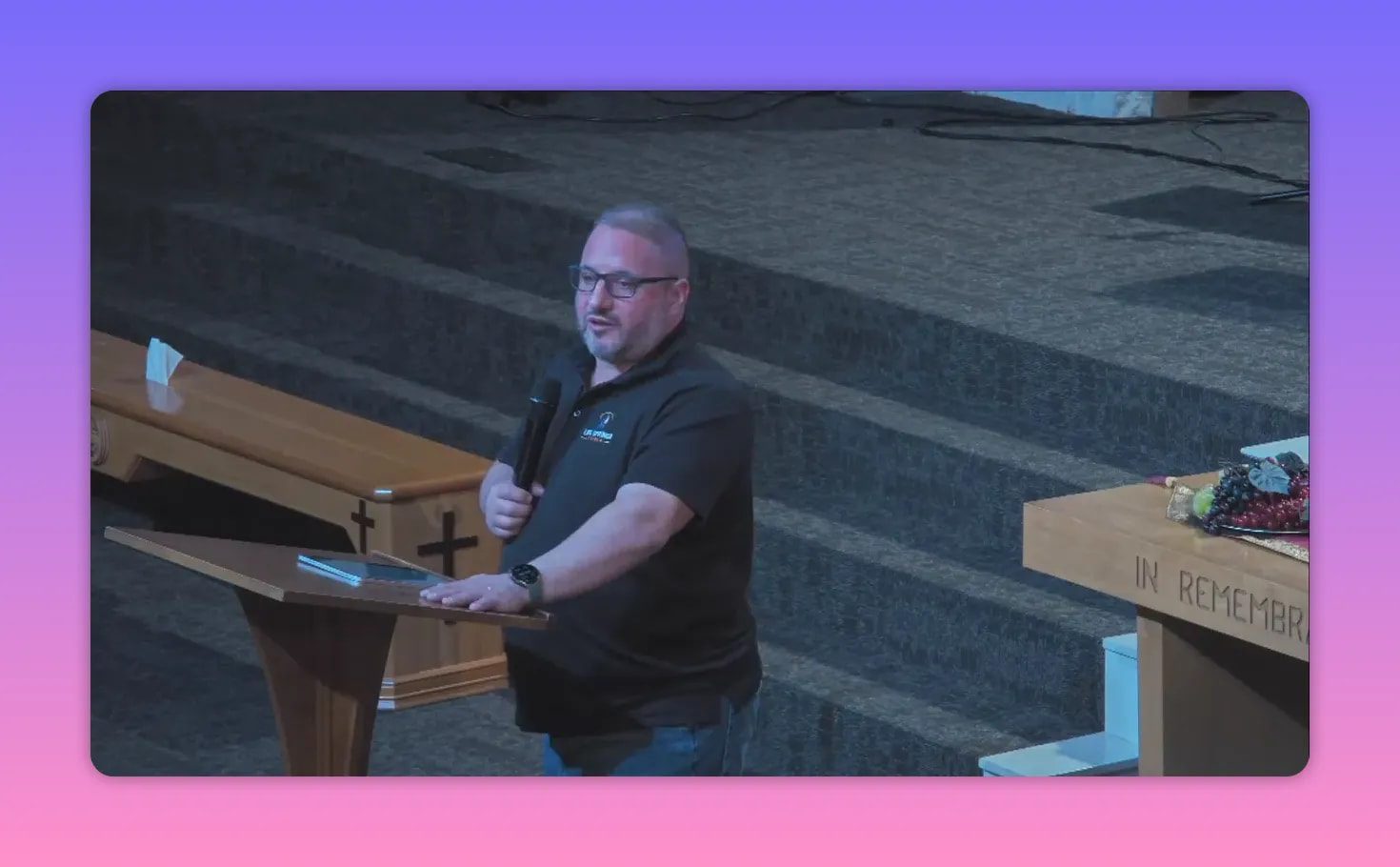
Pastor Brannan speaking at the lectern, mid-sentence, with altar visible

Forgiveness, fear, and the prison of resentment

Unforgiveness builds prisons of its own. People carry walls of bitterness that make nations harder to heal. Scripture counsels against vengeance:

Vengeance is mine; I will repay, says the Lord.

Instead of repayment, the biblical strategy is restorative: feed the hungry enemy, give the thirsty drink, do good to those who hurt you. At first it sounds naïve or even dangerous, but the aim is to awaken conscience, soften hearts, and open a path to reconciliation.
Pastor speaking into a microphone at a lectern with 'In Remembrance' on the altar

Why this works

  • It re-humanizes: Acts of mercy remind people of their shared humanity.
  • It disarms fear: Perfect love casts out fear and reduces the appetite for revenge.
  • It plants new moral habits: Generosity and forgiveness can ripple outward, restoring trust.

The cross, revival, and a practical hope

The solution to social rot is not merely political. The fundamental problem is the brokenness of the heart. The cross addresses that — not by coercion but by offering new life and the promise of transformation through the Spirit. Scripture promises a new covenant: God’s law written on the heart so people will walk in his ways.

Behold the Lamb of God, who takes away the sin of the world.
Pastor Brannan speaking at the pulpit holding a microphone, looking toward the congregation

That promise reframes activism. Revival here is not a slogan; it is an inward conforming to the beauty of holiness that overflows into public life. When individuals hunger and thirst for righteousness, the community changes. The river of life that flows from transformed hearts brings healing, fruit, and leaves for the nations.

Concrete next steps

  1. Self-examination: Ask how fear, anger, or pride shapes your responses.
  2. Cultivate compassion: Practice small acts of mercy toward those you find difficult.
  3. Teach and model forgiveness: Share the freeing power of forgiveness and the role of the Spirit in enabling it.
  4. Rebuild covenantal ties: Invest in relationships and institutions that create trust.
  5. Pray for transformation: Seek the Spirit to write God’s law on hearts and renew communities.
Wide shot of a pastor speaking at a lectern with communion elements on the table and musical instruments behind him.

Conclusion — a hopeful trajectory

America’s founding placed it on a trajectory toward liberty and justice for all, a trajectory that depends on renewed covenantal living and transformed hearts. The invitation is simple and radical: become the kind of people who love like the Father, serve like the Samaritan, and forgive like those set free by grace. That is the pathway to healing families, communities, and nations.

We are not perfect. We are beggars sharing bread. But when a community learns to embody mercy, the world moves toward life. The work is hard, but it is possible. The hope rests not on ideology but on a transforming power that has changed countless lives throughout history. That is why hope is reasonable and worth pursuing.

Facebook
LinkedIn
X
Email

Related Sermons

A hopeful scene showing darkness transforming into warm light, symbolizing faith that overcomes the world through Christ’s inbreaking presence.

How to Overcome the World: The True Power of Faith

The phrase “the victory that overcomes the world” is not just religious hype; it’s a profound truth rooted in 1 John 5:4-5. But what does it truly mean? Is faith merely a set of beliefs, or is the gospel a transformative force? Discover how being born of God means Christ’s character is reproduced in us, and how faith motivates us from within, contrasting sharply with the fear-driven systems of the world. Explore the church’s role as an epicenter of healing and the call to live under the reign of love, breaking down barriers and fostering true community.

Read More »
A glowing path illuminated by warm golden light symbolizing Jesus as the light of the world, with a tranquil sky and hopeful atmosphere

Walking in the Light: Jesus, Truth, Freedom, and Fellowship

“I am the light of the world. He who follows Me shall not walk in darkness, but have the light of life.” This profound promise from John 8:12 reveals that Jesus offers more than mere encouragement; He provides light, life, freedom, and fellowship with God. Our world, intricately designed for life, mirrors this truth. Just as sunlight is essential for our physical well-being, the light of Christ is vital for our souls. Discover how embracing this light transforms our lives, exposes hidden truths, and fosters genuine community. Join us on a journey to walk in the light and experience true freedom.

Read More »
Cinematic symbolic illustration showing tyrannical kingship being broken and replaced by moral light and justice, with early American civic and religious imagery in a wordless scene.

No King But Jesus: The Forgotten History of American Liberty

“No kings” is a powerful slogan that rejects tyranny and affirms that government exists to serve the people. But beneath this rallying cry lies a deeper question: What kind of freedom are we truly seeking? The historic confession “No king but Jesus” reveals a profound truth: every human authority answers to a higher King. This perspective transforms our understanding of liberty, human dignity, and accountable governance. As we explore the biblical vision of freedom, we discover that true liberty flourishes not in chaos or tyranny, but under God’s righteous rule, where every person carries God-given worth.

Read More »
Radiant golden light breaking through darkness with diverse people walking forward together, symbolizing healing, freedom, and becoming like Jesus.

The Christian Revolution: How to Truly Become Like Jesus

Christianity is light breaking into a world of darkness, and the life of Christ is meant to be reproduced in us. This is the heart of the Christian revolution: God brings healing, liberty, and glory through a people becoming like Jesus. We often think maturity comes from our efforts, but true transformation happens through worshiping Him. Every human life has value because we bear the image of God. Join the Jesus revolution, where we move from an escapist faith to actively participating in bringing His light into the world. Discover how to reflect Jesus and make a difference today!

Read More »
Illustration of believers encouraging one another and carrying spiritual peace from their daily work into their homes and community under a radiant light, with no text.

Turn Your Daily Work Into Worship: Living in Spirit and Truth

Glory to God. Perspective is everything, family. The believer’s perspective must align with the Father, where true peace resides. When we focus on the people God has placed in front of us, we can carry His power into our homes, jobs, and relationships. Work is not just a task; it can become worship when we recognize who gave us the opportunity. Genuine humility and teamwork can transform our environments, allowing us to serve others with love and kindness. Discover how to turn your daily work into an act of worship and embrace the divine purpose in every aspect of your life.

Read More »
A reverent sunrise scene symbolizing true freedom centered on Christ, with a light cross in the sky and subdued fireworks in the distance, showing hope and liberty.

Jesus and the 4th of July: The True Meaning of Freedom

Jesus and the Fourth of July belong together far more than most people realize. Independence Day often gets reduced to fireworks and barbecues, but if we remember who we are and what liberty truly means, Jesus is at the center of it all. The call to remember our identity and history is crucial; without it, our celebration becomes shallow. The Exodus story is not just a tale of liberation; it’s a powerful reminder that true freedom is rooted in God’s grace and covenant. Discover how these themes intertwine and shape our understanding of liberty today.

Read More »
A hopeful symbolic scene showing a broken world transforming into a radiant, heaven-like renewal as light bridges from ruin to restoration.

Does the Church Bring Heaven to Earth?

Does the Church Bring Heaven to Earth? This bold statement invites us to explore a profound truth: the church is not merely a gathering but a living temple where heaven and earth intersect. In a world filled with confusion and despair, the church embodies God’s promise to restore what was broken. As we engage in true worship and build together as a community, we become vessels of God’s presence, allowing the river of life to flow through us. Discover how every member plays a vital role in bringing healing and hope to our broken world. Join us in this transformative journey!

Read More »
A dark stormy landscape gradually illuminated by a radiant beam of warm light symbolizing hope overcoming darkness, with renewed light rays spilling over the horizon.

Finding Hope in a Broken World: How to Be the Light

There is no shortage of darkness in the world, manifesting in poverty, injustice, and personal loss. When hope fades, so does joy and peace, leaving us feeling trapped in despair. Yet, the gospel offers a powerful message: God has sent light into our broken world. Jesus, the light of the world, calls us to be that light, not just as individuals but as a community filled with hope. Together, we can push back the darkness and illuminate the lives of those around us. Discover how you can be a beacon of hope in a world that desperately needs it.

Read More »

Torn from Top to Bottom: The Mystery of the Temple Revealed

A verse can sit in plain sight for years and still slip past us. In Matthew 27, at the moment Jesus gave up His spirit, the temple curtain was torn from top to bottom. This dramatic detail was not random; it was a revelation. It signaled the end of one order and the beginning of another, as God established a living temple made of His people by the Holy Spirit. Discover how this pivotal moment reshapes our understanding of access to God, the significance of the church, and the transformative power of the Holy Spirit in our lives today.

Read More »

The Missing Feast: Why Pentecost Matters More Than We Realize

We all know how to make room for certain holy days. Christmas is everywhere. Easter still carries weight in the culture. But there is another feast that should be just as central: Pentecost. This “missing feast” is not just a historical event; it reveals how the Christian life is meant to be lived today. It speaks of the Holy Spirit’s outpouring, the unity of believers, and the transformative power of God in our lives. Discover why Pentecost matters more than we realize and how it can reshape our understanding of faith, community, and the world around us.

Read More »