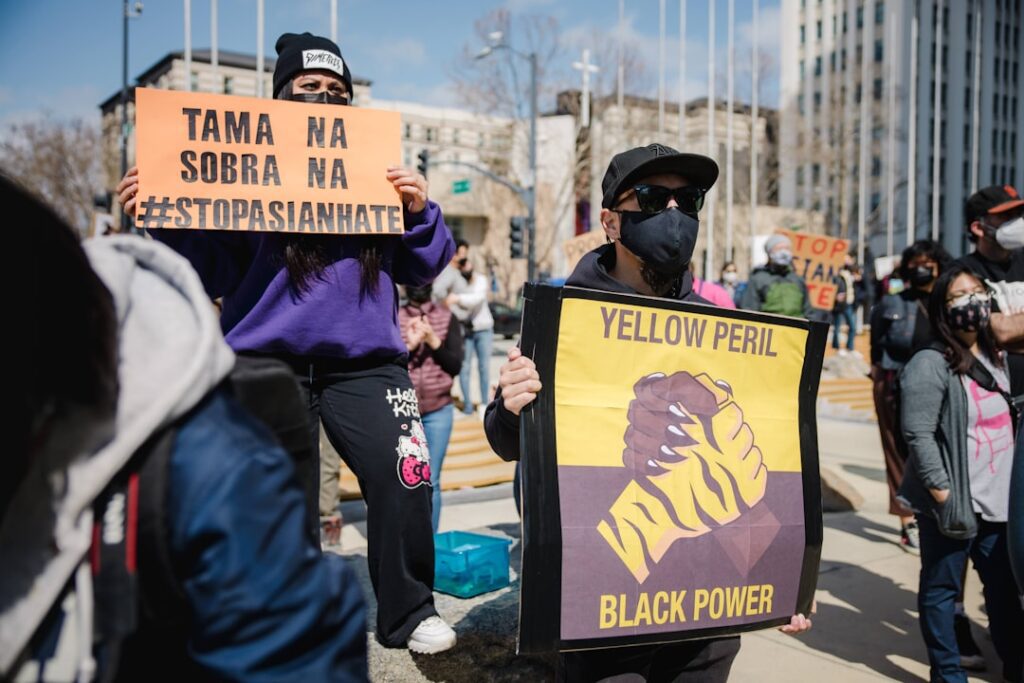
Fear is a powerful emotion that can significantly influence the psyche of individuals and, by extension, the collective consciousness of a nation. When fear permeates a society, it can lead to a breakdown in trust among citizens, eroding the bonds that hold communities together. This psychological impact manifests in various ways, including increased anxiety, heightened suspicion of others, and a tendency to retreat into insular groups.
As individuals become more fearful, they may prioritize their safety over communal well-being, leading to a fragmented society where collaboration and mutual support diminish. Moreover, fear can create an environment where people are more susceptible to manipulation and propaganda. In times of crisis, whether due to economic instability, social unrest, or external threats, the instinctual response to protect oneself can overshadow rational thought.
This reaction can lead to the scapegoating of certain groups, fostering division and animosity. The psychological toll of fear can also result in a pervasive sense of helplessness, where citizens feel powerless to effect change or contribute positively to their communities. This cycle of fear and isolation can ultimately undermine national unity, as individuals become more focused on their immediate concerns rather than the collective good.
Key Takeaways
- Fear can have a significant psychological impact on national unity, leading to division and distrust among citizens.
- The media plays a crucial role in amplifying fear and exacerbating social divisions, often sensationalizing news to attract attention.
- Politicians and leaders may use fear as a tool for political manipulation and control, exploiting public anxieties for their own agendas.
- Fear can contribute to social fragmentation, creating barriers between different groups and undermining a sense of community and solidarity.
- Fear can influence public policy and decision making, leading to reactive and divisive measures rather than thoughtful and inclusive solutions.
The Role of Media in Amplifying Fear and Division
The Double-Edged Sword of Journalism
On one hand, responsible journalism can inform the public and foster a sense of community; on the other hand, sensationalist reporting can exacerbate fear and division. The 24-hour news cycle, driven by the need for constant content, often prioritizes dramatic narratives over nuanced discussions.
The Amplification of Fears
This tendency can lead to the amplification of fears surrounding crime, immigration, or terrorism, creating an atmosphere where these issues are perceived as more prevalent than they may actually be. Social media platforms further complicate this landscape by enabling the rapid spread of misinformation and fear-inducing content. Algorithms designed to maximize engagement often promote sensational stories that evoke strong emotional responses, regardless of their accuracy.
The Consequences of Fear-Mongering
This phenomenon can create echo chambers where individuals are exposed primarily to viewpoints that reinforce their fears and biases. As a result, the media’s role in amplifying fear can contribute to societal polarization, making it increasingly difficult for diverse groups to find common ground or engage in constructive dialogue.
Fear as a Tool for Political Manipulation and Control
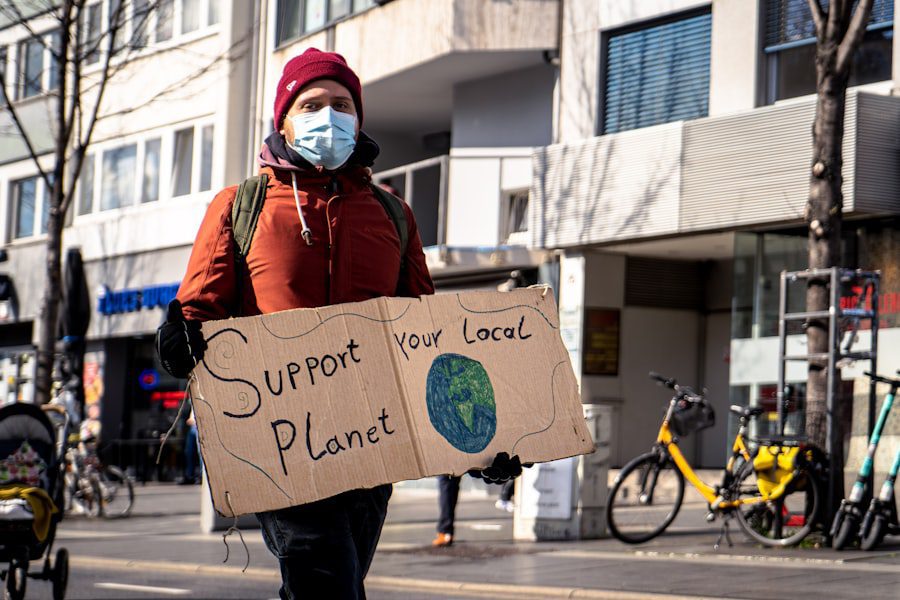
Throughout history, fear has been wielded as a potent tool for political manipulation and control. Leaders and political entities often exploit societal fears to consolidate power, rally support for controversial policies, or justify authoritarian measures. By framing certain groups as threats—whether they be immigrants, political dissidents, or foreign adversaries—politicians can create a narrative that justifies increased surveillance, military action, or restrictive laws.
This tactic not only distracts from pressing issues but also fosters an environment where dissent is stifled under the guise of national security. The use of fear in political rhetoric is not limited to overt threats; it can also manifest in subtler forms. For instance, during election cycles, candidates may invoke fears related to economic instability or social decay to galvanize their base.
This strategy often involves painting opponents as dangerous or untrustworthy, further entrenching divisions within the electorate. The long-term consequences of such manipulation can be profound, leading to a populace that is more divided and less willing to engage in constructive political discourse.
The Connection between Fear and Social Fragmentation
Fear is intrinsically linked to social fragmentation, as it drives individuals toward isolation and distrust of others. When people are afraid—whether due to economic uncertainty, crime rates, or cultural changes—they may retreat into familiar social circles that reinforce their beliefs and fears. This retreat can lead to the formation of echo chambers where diverse perspectives are absent, further entrenching divisions within society.
As communities become more insular, the potential for understanding and collaboration diminishes, creating a fragmented social landscape. Additionally, fear can exacerbate existing societal inequalities. Marginalized groups often bear the brunt of societal fears, facing discrimination and scapegoating during times of crisis.
This dynamic not only deepens social divides but also perpetuates cycles of disadvantage and exclusion. For instance, during economic downturns, minority communities may be unfairly blamed for job losses or crime spikes, leading to increased hostility and further marginalization. The interplay between fear and social fragmentation highlights the urgent need for strategies that promote inclusivity and understanding across diverse groups.
Fear and its Influence on Public Policy and Decision Making
The influence of fear on public policy is profound and multifaceted. Policymakers often respond to public fears by enacting legislation that addresses perceived threats, even if such measures may not be effective or justified. For example, following terrorist attacks, many governments have implemented sweeping surveillance programs under the pretext of national security.
While these policies may be intended to protect citizens, they can also infringe on civil liberties and foster an atmosphere of mistrust between the government and the populace. Moreover, fear-driven policies can lead to short-term solutions that overlook long-term consequences. In response to rising crime rates fueled by public anxiety, some jurisdictions may adopt punitive measures that disproportionately affect marginalized communities without addressing the root causes of crime such as poverty or lack of access to education.
This reactive approach not only fails to create sustainable solutions but also perpetuates cycles of fear and division within society. The challenge lies in crafting policies that prioritize community well-being while addressing legitimate concerns without succumbing to fear-based decision-making.
Overcoming Fear and Building a Stronger National Unity
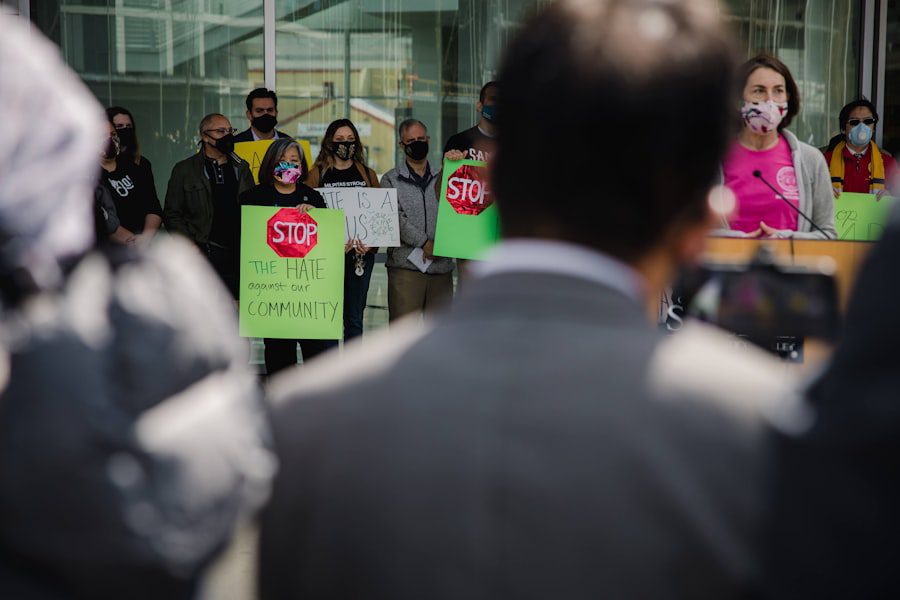
Understanding and Unity
Initiatives aimed at promoting understanding between different cultural or social groups can help dismantle stereotypes and reduce anxiety about the “other.” Community-building activities that bring people together around shared interests or goals can also serve as powerful antidotes to fear-driven isolation.
The Role of Education
Education plays a pivotal role in this process as well. By equipping individuals with critical thinking skills and media literacy, societies can empower citizens to discern fact from fiction and resist fear-based narratives propagated by sensationalist media or political rhetoric.
Empowering Individuals
Educational programs that emphasize empathy and emotional intelligence can help individuals navigate their fears constructively while fostering connections with others who may have different experiences or viewpoints.
Breaking Down Barriers
Ultimately, overcoming fear and building a more unified and compassionate society requires a multifaceted approach that involves both individual and collective efforts to break down barriers and foster greater understanding and empathy.
Strategies for Addressing Fear and Promoting Unity
Addressing fear effectively requires multifaceted strategies that engage various sectors of society. One approach is community engagement initiatives that encourage dialogue among diverse groups. Town hall meetings, workshops, and cultural exchanges can provide platforms for individuals to share their experiences and concerns in a safe environment.
These interactions can help humanize those who are often viewed through the lens of fear and suspicion. Another strategy involves leveraging technology for positive social change. Online platforms can facilitate discussions that bridge divides by connecting individuals from different backgrounds who share common interests or goals.
Social media campaigns that promote messages of unity and understanding can counteract the divisive narratives often prevalent in online discourse. Additionally, mental health resources should be made accessible to help individuals cope with anxiety stemming from societal fears, fostering resilience within communities.
The Importance of Empathy and Understanding in Mitigating Fear’s Effects
Empathy is a crucial component in mitigating the effects of fear on national unity. By fostering an environment where individuals are encouraged to understand one another’s experiences and perspectives, societies can break down barriers created by fear-driven narratives. Empathy allows people to see beyond their own fears and recognize shared humanity, which is essential for building trust among diverse groups.
Understanding also plays a vital role in addressing the root causes of fear itself. By engaging with the complexities surrounding issues such as immigration or crime through informed discussions rather than simplistic narratives, societies can cultivate a more nuanced understanding of these challenges. This approach not only reduces fear but also empowers individuals to advocate for policies that promote inclusivity and social cohesion rather than division.
In conclusion, addressing the psychological impact of fear on national unity requires a comprehensive approach that emphasizes empathy, understanding, and community engagement. By recognizing the multifaceted nature of fear and its implications for society, individuals and institutions can work together to foster resilience and build stronger connections across diverse groups.