Restoring America’s Godly Heritage

The pressing question for our time is not simply political; it is spiritual and cultural: what threatens the common good most right now? The answer lies in the slow-burning division that feeds on anger, resentment, and hatred. This poison, if left unchecked, becomes the engine of tyranny and destroys the possibility of a flourishing, free society. As we confront this national emergency, we must recognize that dualism—us versus them—turns fellow human beings into scapegoats. The call is clear: pursue responsibility, overcome evil with good, and become instruments of healing for future generations.

Watch the Video!

YouTube player

The pressing question for our time is not simply political. It is spiritual and cultural: what threatens the common good most right now? The answer is the slow-burning division that feeds on anger, resentment, and hatred. Left unchecked, this poison becomes the engine of tyranny and destroys the possibility of a flourishing, free society.

Naming division as the spiritual and cultural threat to the common good.

The diagnosis: division is the real national emergency

Too often we treat surface symptoms—policies, protests, headlines—without diagnosing the deeper condition. When rhetoric trains people to think in binaries—us versus them, good versus evil—that dualism converts fellow human beings into scapegoats. Pointing a finger at a convenient enemy makes anger useful to manipulative leaders. That path ends in oppression, not freedom.

The river of life: what the church is called to be

The image of a river flowing from the throne and bringing life to everything it touches is not a fantasy reserved for the future. It is a practical design for how a community can bring healing to nations today. When believers are rooted in Christ and mature in faith, they bear fruit that restores human dignity and cultivates flourishing. The leaves on those trees are for the healing of nations.

Speaker standing beside the communion table with stage instruments; inscription 'In remembrance of me' visible on the table
Communion table and speaker together — a visual reminder of the church’s call to bring life and healing.

Dualism and the rhetoric of enemies

Dualism treats some people as bearers of ultimate evil and others as the righteous. That framing is the opposite of reconciliation. Scripture is remarkably self-critical; it calls people back to a life of instruction and responsibility rather than a posture of scapegoating. The Ten Instructions were given not to turn people into slaves but to teach a way of life that produces liberty and human flourishing.
clear image of speaker standing beside a communion table gesturing with one hand while holding a microphone
A clear, well-framed shot of the speaker making an explanatory gesture beside the communion table.

The classic function of the scapegoat

History shows how scapegoating works: blame a powerless group, focus anger outward, and distract from real problems. In the twentieth century this mechanism produced catastrophic outcomes. When culture encourages hatred for any group—racial, religious, political—it primes a population to be used by tyrants and to abandon the hard work of healing and persuasion.

From slavery to liberty: responsibility matters

The Exodus story is not an ancient curiosity. It is a curriculum for how to move a people from dependence to responsibility. Liberty without the character to steward it becomes a recipe for collapse. A healthy society trains citizens to think, to take responsibility, and to serve one another rather than seek power.
Speaker on church stage gesturing while explaining responsibility and liberty
Instructional moment on responsibility and freedom from the pulpit.

Education, persuasion, and the kingdom’s strategy

Transforming cultures rarely happens by slogans or short campaigns. The kingdom advances through education, through patient persuasion, through loving service. Early missions demonstrate this: believers brought schools, technologies, and practical skills alongside the message of hope. That combination produced genuine human flourishing.

How scripture teaches us to think

Scripture is written to provoke wrestling, not lazy certainties. Contradictory-sounding verses force us to read the Bible with the presupposition that God is loving and wise. That interpretive posture changes outcomes. Instead of declaring entire groups irredeemable, the practice is to read with humility and ask: what fruit will this produce in me and in others?

Practical wisdom: the log and the speck

Confrontation without humility becomes judgmentalism. The image of removing the log from one’s own eye before helping another is a call to purity of motive. Ask first: will engaging this person produce more of heaven or more of hell? If love and repair are possible, approach in humility. If not, wisdom may require restraint so that well-meaning interventions do not multiply harm.
centered shot of speaker on stage gesturing while holding a microphone
The speaker gestures plainly from center stage as he calls for humility and wisdom.

Do not be overcome by evil, but overcome evil with good.

“Do not be overcome by evil, but overcome evil with good.”

There are two roads set before the church. One leads to militancy, escalating anger and violence. The other leads to redemptive love and courageous persuasion. Choosing the latter is harder, but it aligns with the gospel and with the long-term health of any nation.

When fear shapes our future: eschatology of fear

A fear-driven imagination of the future is a powerful engine of destructive behavior. When people act from a narrative that “our world is ending because of them,” they justify extreme measures to avert the feared outcome. Those very measures often produce the catastrophe they were meant to prevent. Faith reshapes imagination. When love and hope orient action, the results are different.
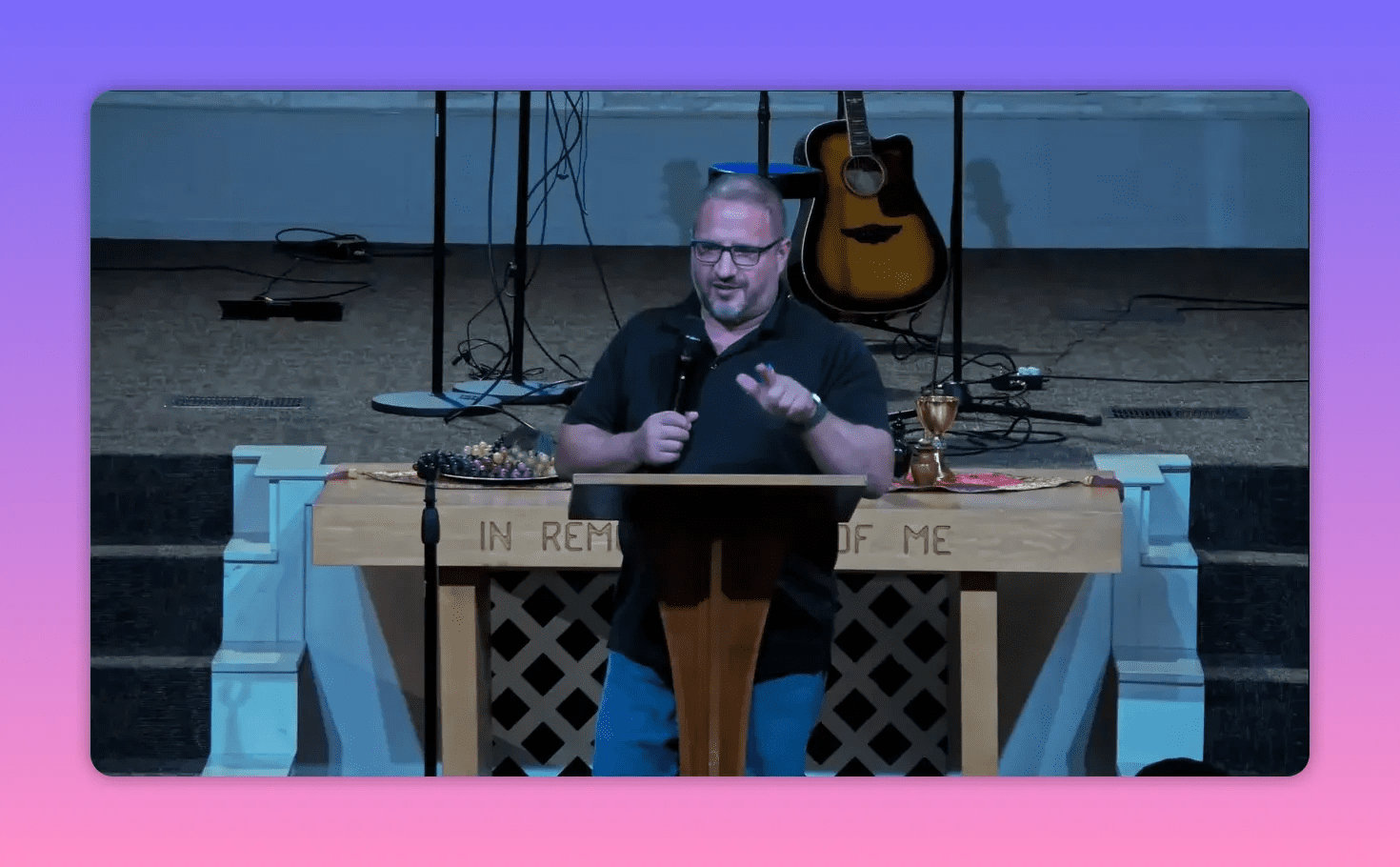
Speaker pointing and speaking behind a lectern with communion table and guitar in the background
Speaker gestures emphatically from the lectern as he addresses fears that shape our future.

Practical steps to heal and restore

  • Evaluate the fruit of media, rhetoric, and campaigns before adopting them.
  • Root your thinking in the basic truth that every human is made in God’s image.
  • Practice personal responsibility: train, equip, and release people to serve, not to follow idols of power.
  • Engage with humility: remove your log, seek relationships, and choose persuasion over coercion.
  • Invest in education: long-term transformation follows patient teaching and practical service.

Hope: God uses the humble

God delights in doing the impossible through small, unlikely means. David was only a shepherd boy. History is full of jars of clay that revealed divine power. The work of restoration is not reserved for elites. When humble people take up courage and faith, the river of life begins to flow again and “that which is dead shall live.”
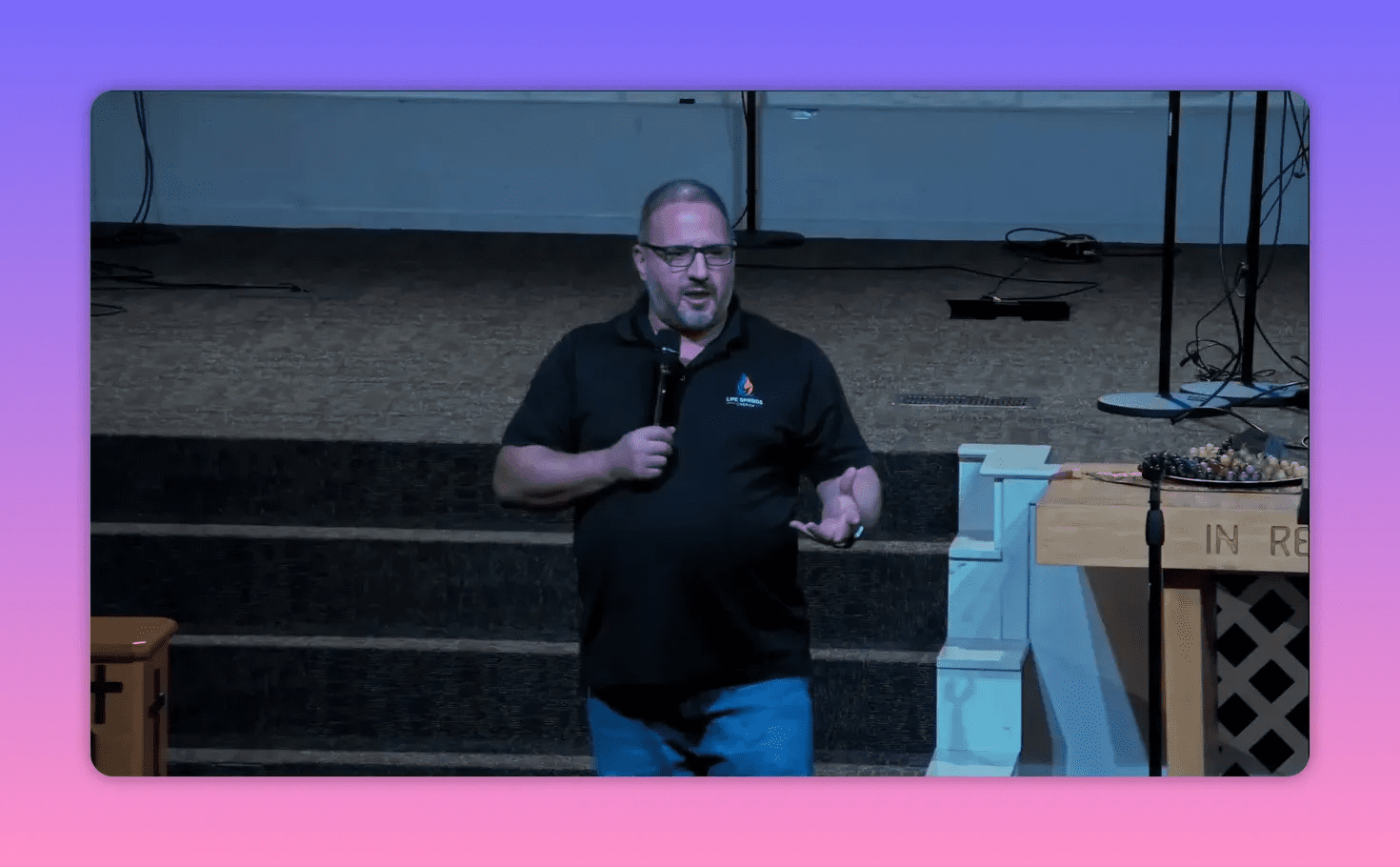
Speaker centered on a church stage holding a microphone and gesturing with one hand; communion table and stage equipment visible to the right
Addressing fear-shaped futures — a composed shot of the speaker calling for hope and wisdom.

A final word

These are perilous times, but they are also an invitation. If fear governs our narrative, we will help make our worst predictions come true. If faith and love inform our vision, we can be instruments of healing for future generations. The call is simple in wording and demanding in practice: become mature in faith, refuse the dualistic temptation, pursue responsibility, and overcome evil with good.

If you want to play a part in restoring a godly heritage, begin where you are: examine your motives, practice compassion, and invest in teaching that equips people to live freely and responsibly. Small, steady acts of faithful love change nations.

Facebook
LinkedIn
X
Email

Related Sermons

Speaker gesturing at a pulpit while a slide titled 'The Glory of God in Christ' appears on screen

Meditations on the Glory of God — Charles Summers (2026-02-01)

The word “glory” often gets tossed around in worship songs, but its biblical meaning runs deeper than we realize. When God’s glory appears, it signals that He is doing something decisive. From Abraham’s covenant to Ezekiel’s visions, and ultimately in Jesus, the presence of God’s glory marks pivotal moments in the story of redemption. Discover how this weighty presence transforms not only our understanding of God but also our lives as believers today. Join us in exploring the profound implications of living as the temple of God’s glory in a world that desperately needs His light.

Read More »
speaker gesturing at pulpit in church sanctuary with communion table and inscription visible

Out of Many One — Restoring America’s Godly Heritage

Unity is not merely a sentimental ideal; it is central to the founding vision of our nation. But how do we achieve true unity without sacrificing individuality? The answer lies in understanding the difference between unity and conformity. While the world often enforces sameness, true biblical unity embraces diversity, binding us together through shared commitments and mutual respect. As we explore America’s covenant heritage, we discover a path that fosters authentic relationships and civic health. Join us in uncovering how covenantal life can heal divisions and create a community that truly welcomes all.

Read More »
Speaker at pulpit, hand on chest while addressing the congregation, clear medium shot

20260118 Pr Bill Brannan — Restoring America’s Godly Heritage (Part 8)

In a time filled with fear and division, the call to restore America’s Godly heritage is more urgent than ever. This journey begins with understanding the true essence of American exceptionalism, rooted in biblical values and covenantal commitments. As we reflect on our own hearts and embrace the transformative power of love and forgiveness, we can heal our communities and nations. Discover how acts of mercy and compassion can redefine neighborliness and awaken hope, leading us toward a future where liberty and justice flourish for all. Join us in exploring this hopeful trajectory for America.

Read More »
video thumbnail for '20260111 Pr Bill Brannan'

Restoring America’s Godly Heritage — Part 7 (20260111 Pr Bill Brannan)

When I first discovered what America’s founding really was, it felt like discovering a treasure. The founding era was shaped by deeply held convictions about liberty of conscience, religious freedom, and a biblical social architecture. History shows that when the gospel takes root, entire cultures change. This transformation is the backdrop for understanding America’s godly inheritance. The inheritance of America is not merely a government structure; it is the people themselves—mature, responsible citizens empowered to exercise liberty well. Restoring this heritage begins in the local church, where authentic faith can produce the kingdom fruit that renews liberty and blessing.

Read More »
video thumbnail for 'God’s Timing: Trust the Process 🔑'

God’s Timing: Trust the Process 🔑

Good morning, family! Have you ever felt like you’re waiting for something big, unsure of God’s timing? Just like Jonah in the belly of the fish, we all face moments of uncertainty. But remember, those appointments in our lives are not interruptions; they are divine preparations. Trusting the process means embracing conviction over condemnation and seeking the kingdom first. Join us as we explore how to renew our minds, find confidence in Christ, and be ready to step into our God-given roles. Your willingness to be used can change lives—let’s dive deeper into this journey together!

Read More »
Church speaker at a lectern making a clenched-hand gesture while speaking, with a guitar in the background

How to Restore America’s Godly Heritage 🌿

Every day offers the same calling: to know Jesus more, love him more, and experience his grace more. Restoring a nation’s godly heritage begins not with slogans or political power, but with individuals growing in the life of Christ. Imagine a river flowing from the throne of God, bringing healing and life wherever it goes. This is a present invitation for mature believers to bear healing fruit in their communities. As we resist fear-driven narratives and embrace love, we can cultivate a culture of grace that transforms hearts and heals nations. Discover how you can be part of this renewal!

Read More »
Speaker at a pulpit holding a microphone and gesturing with one hand; communion cups and plates visible on the table behind, guitar in background.

Why Jesus Is More Than Christmas History

Why do you celebrate Christmas? Is it merely a cultural rhythm marked on the calendar, or is it because the person born in Bethlehem transformed your life? The difference between celebrating out of duty and celebrating out of encounter is subtle but enormous. When we treat the Christmas story as memory, it becomes part of our identity, shaping how we answer the big questions of life. This Christmas, remember the One born in Bethlehem not just as a historical fact, but as a living revelation that fuels your joy, hope, and purpose. Discover how to let this memory empower your life.

Read More »
Speaker at a wooden lectern smiling and gesturing with an outstretched arm, communion elements visible on the table behind in a church sanctuary.

Faith in Trials: Trusting God’s Timing

Seasons arrive with their own rhythms — moments of celebration, reflection, and unexpected trials. Faith isn’t just a feeling we pull out when life is easy; it grows and steadies us when circumstances press in. This season invites us to remember the greatest gift — God with us — and to recalibrate our perspective. As we navigate trials, we can find strength in trusting God’s timing and promises. Discover how grace and faith intertwine, and learn practical steps to respond when life challenges us. Let this season be an opportunity to renew your hope and deepen your trust in the Lord.

Read More »
Speaker gesturing while delivering a sermon at a church pulpit with communion elements visible

No King But King Jesus: Restoring a Godly Heritage and Building a World That Reflects Heaven

The idea that a nation can be founded on a vision of liberty rooted in a biblical imagination is radical yet transformative. America’s founding documents reflect a covenant of principles and a social contract that preserves human dignity and rights. As we navigate the delicate balance between anarchy and tyranny, the call to love our enemies and practice forgiveness becomes essential. Personal renewal paves the way for national freedom, and the church’s role in embodying wisdom is crucial. Discover how reclaiming our godly heritage can lead to a society that truly reflects heaven.

Read More »
Wide, clear frame of a speaker preaching next to the communion table that reads 'Remembrance of Me', with stage instruments and microphones behind.

Who Is the Real You in Christ? 🤔

“Anyone who is in Christ is a new creation.” This powerful promise from 2 Corinthians invites us to explore not just our eternal destiny, but our present identity and purpose. As we embrace our role in God’s ministry of reconciliation, we discover that true transformation begins in the mind and flows into our communities. The church is called to be a third pillar of society, shaping culture with wisdom and love. Join us as we delve into the journey of spiritual maturity, discernment, and the vibrant life that God intends for us to share with the world.

Read More »