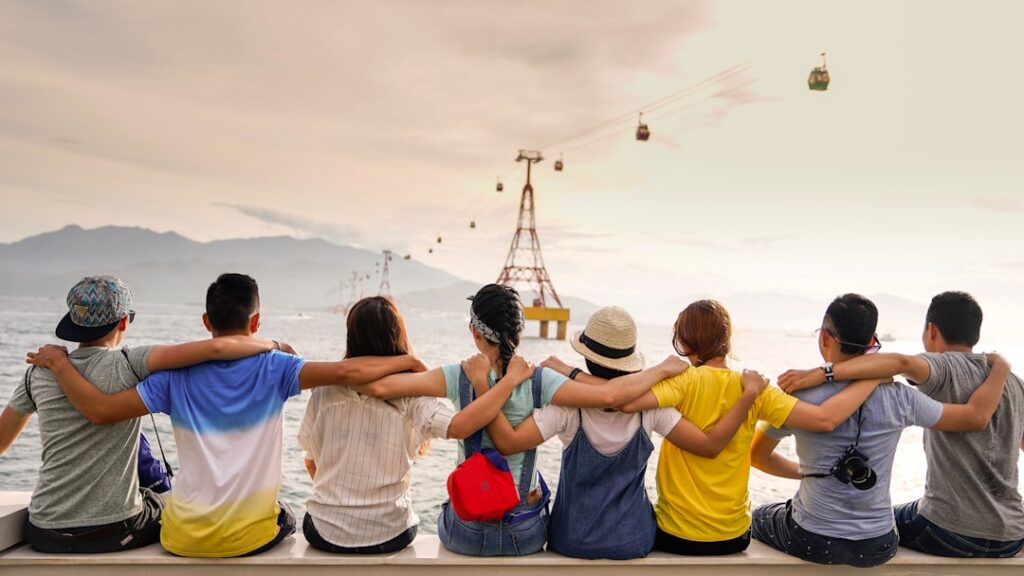
In contemporary society, divisions manifest in various forms, often delineated by race, ethnicity, religion, socioeconomic status, and political ideology. These divisions can be deeply entrenched, stemming from historical injustices, cultural misunderstandings, and systemic inequalities. For instance, racial divisions in the United States have roots that trace back to slavery and segregation, creating a legacy of mistrust and disparity that continues to affect communities today.
Similarly, socioeconomic divisions can lead to significant gaps in access to education, healthcare, and employment opportunities, perpetuating cycles of poverty and disenfranchisement. Moreover, the rise of digital communication has introduced new dimensions to these divisions. Social media platforms can amplify echo chambers where individuals are exposed primarily to viewpoints that reinforce their own beliefs.
This phenomenon can exacerbate political polarization, as people become less willing to engage with differing perspectives. Understanding these divisions requires a multifaceted approach that considers historical context, cultural narratives, and the influence of technology on human interaction. By recognizing the complexity of these divisions, we can begin to address the underlying issues that contribute to societal fragmentation.
Key Takeaways
- Understanding the Divisions: Recognize the different factors that contribute to divisions within society, such as cultural, social, and economic differences.
- Recognizing the Impact of Division: Understand the negative effects of division on individuals, communities, and society as a whole.
- Embracing Diversity and Inclusion: Value and celebrate the diversity of individuals and communities, and actively work towards creating inclusive environments.
- Fostering Empathy and Understanding: Cultivate empathy and understanding towards others by actively listening and seeking to understand different perspectives.
- Promoting Dialogue and Communication: Encourage open and respectful communication to bridge divides and promote understanding among diverse groups.
Recognizing the Impact of Division
The Erosion of Social Cohesion
The impact of division is profound and far-reaching, affecting not only individual lives but also the fabric of society as a whole. When communities are divided, social cohesion diminishes, leading to increased tensions and conflicts. For example, neighborhoods that experience racial or ethnic segregation often face higher rates of crime and violence, as mistrust between groups can escalate into hostility.
The Economic and Psychological Toll
This breakdown in community relations can hinder economic development and limit opportunities for collaboration among diverse groups. Furthermore, divisions can have significant psychological effects on individuals. People who feel marginalized or excluded may experience feelings of isolation, anxiety, and depression.
A Call to Action for Unity and Healing
The mental health implications of division are particularly concerning in youth populations, where a sense of belonging is crucial for healthy development. Studies have shown that young people who perceive their communities as divided are more likely to engage in risky behaviors and exhibit lower academic performance. Recognizing these impacts is essential for developing strategies that promote healing and unity within divided communities.
Embracing Diversity and Inclusion

Embracing diversity and inclusion is not merely a moral imperative; it is also a strategic advantage for organizations and societies alike. Diverse teams bring a wealth of perspectives and experiences that can lead to more innovative solutions and better decision-making. For instance, research has demonstrated that companies with diverse leadership teams are more likely to outperform their peers in profitability and value creation.
This correlation underscores the importance of fostering an inclusive environment where all voices are heard and valued. In addition to economic benefits, embracing diversity enriches cultural experiences and promotes social harmony. Celebrating different cultures through festivals, educational programs, and community events can help bridge gaps between groups.
For example, cities that host multicultural festivals often see increased interaction among residents from various backgrounds, fostering mutual respect and understanding. By actively promoting diversity and inclusion, we can create spaces where individuals feel empowered to share their unique identities while contributing to a collective narrative that honors all experiences.
Fostering Empathy and Understanding
Fostering empathy is crucial in bridging divides and cultivating a more harmonious society. Empathy allows individuals to step into the shoes of others, understanding their feelings, experiences, and perspectives. This emotional connection can be cultivated through storytelling, dialogue, and shared experiences.
For instance, programs that encourage individuals from different backgrounds to share their personal stories can create powerful moments of connection that challenge stereotypes and foster understanding. Educational initiatives also play a vital role in promoting empathy. Schools that incorporate social-emotional learning into their curricula help students develop skills such as active listening, conflict resolution, and perspective-taking.
These skills are essential for navigating a diverse world and can significantly reduce instances of bullying and discrimination. By prioritizing empathy in education and community engagement efforts, we can nurture a generation that values compassion and seeks to understand rather than judge.
Promoting Dialogue and Communication
Effective dialogue is fundamental to addressing divisions within society. Open communication channels allow individuals to express their thoughts and feelings while also listening to others’ perspectives. Facilitated discussions that encourage respectful exchanges can help dismantle barriers created by misunderstanding or prejudice.
For example, community forums that bring together residents from different backgrounds can serve as platforms for sharing concerns and finding common ground. Moreover, promoting dialogue requires creating safe spaces where individuals feel comfortable expressing their views without fear of retribution or judgment. Initiatives such as restorative justice circles or community dialogues can provide structured environments for discussing sensitive topics like race relations or economic inequality.
These conversations not only promote understanding but also empower participants to take ownership of their narratives and contribute to collective solutions.
Creating Opportunities for Collaboration

Introduction to Collaborative Unity
Collaboration across divides is essential for fostering unity and addressing shared challenges. When individuals from diverse backgrounds come together to work towards common goals, they can leverage their unique strengths and perspectives to create innovative solutions. For instance, community development projects that involve collaboration between local governments, businesses, and residents often yield more sustainable outcomes than those driven by a single entity.
Forms of Collaboration
Creating opportunities for collaboration can take many forms, from joint community service initiatives to cross-sector partnerships aimed at addressing social issues like homelessness or education disparities. Programs that encourage mentorship between individuals from different backgrounds can also facilitate knowledge sharing and skill development.
Benefits of Collaboration
By actively seeking out collaborative opportunities, we can break down silos and build bridges between divided communities. This not only fosters a sense of unity but also leads to more effective and sustainable solutions to common problems.
Building a Collaborative Future
Ultimately, collaboration is key to creating a more harmonious and equitable society. By working together and embracing our differences, we can unlock new possibilities and create a brighter future for all.
Taking Action to Bridge Divides
Taking action to bridge divides requires commitment at both individual and institutional levels. Grassroots movements have historically played a pivotal role in advocating for social change by mobilizing communities around shared causes. For example, organizations focused on racial justice have successfully raised awareness about systemic inequalities through protests, educational campaigns, and policy advocacy.
These efforts highlight the importance of collective action in challenging divisive structures. On an institutional level, organizations must prioritize diversity and inclusion in their policies and practices. This includes implementing training programs that address unconscious bias, creating equitable hiring practices, and establishing accountability measures for promoting diversity within leadership roles.
By taking concrete actions to bridge divides, institutions can demonstrate their commitment to fostering an inclusive environment where all individuals feel valued.
Building a Unified Future
Building a unified future necessitates a long-term vision grounded in collaboration, empathy, and respect for diversity. It requires a collective commitment to dismantling the barriers that perpetuate division while actively working towards reconciliation and healing. Educational systems must prioritize teaching the value of diversity from an early age, instilling in children the importance of inclusivity and understanding.
Moreover, fostering a culture of accountability is essential for ensuring that progress is sustained over time. Communities must hold themselves accountable for addressing issues of inequality and division through ongoing dialogue and action-oriented initiatives. By creating a shared vision for the future—one that celebrates diversity while promoting unity—we can work towards a society where all individuals feel empowered to contribute their unique gifts toward the common good.
In conclusion, addressing divisions within society is a multifaceted endeavor that requires understanding their roots, recognizing their impacts, embracing diversity, fostering empathy, promoting dialogue, creating collaborative opportunities, taking action, and building a unified future. Through concerted efforts at all levels—individuals, communities, organizations—we can pave the way for a more inclusive society where differences are celebrated rather than feared.